



 Culture,
Health and Medicine,
Politics and Legality
Culture,
Health and Medicine,
Politics and Legality
 MUSHMAPS
 2026-05-21
PC26: Healing in Right Relationship
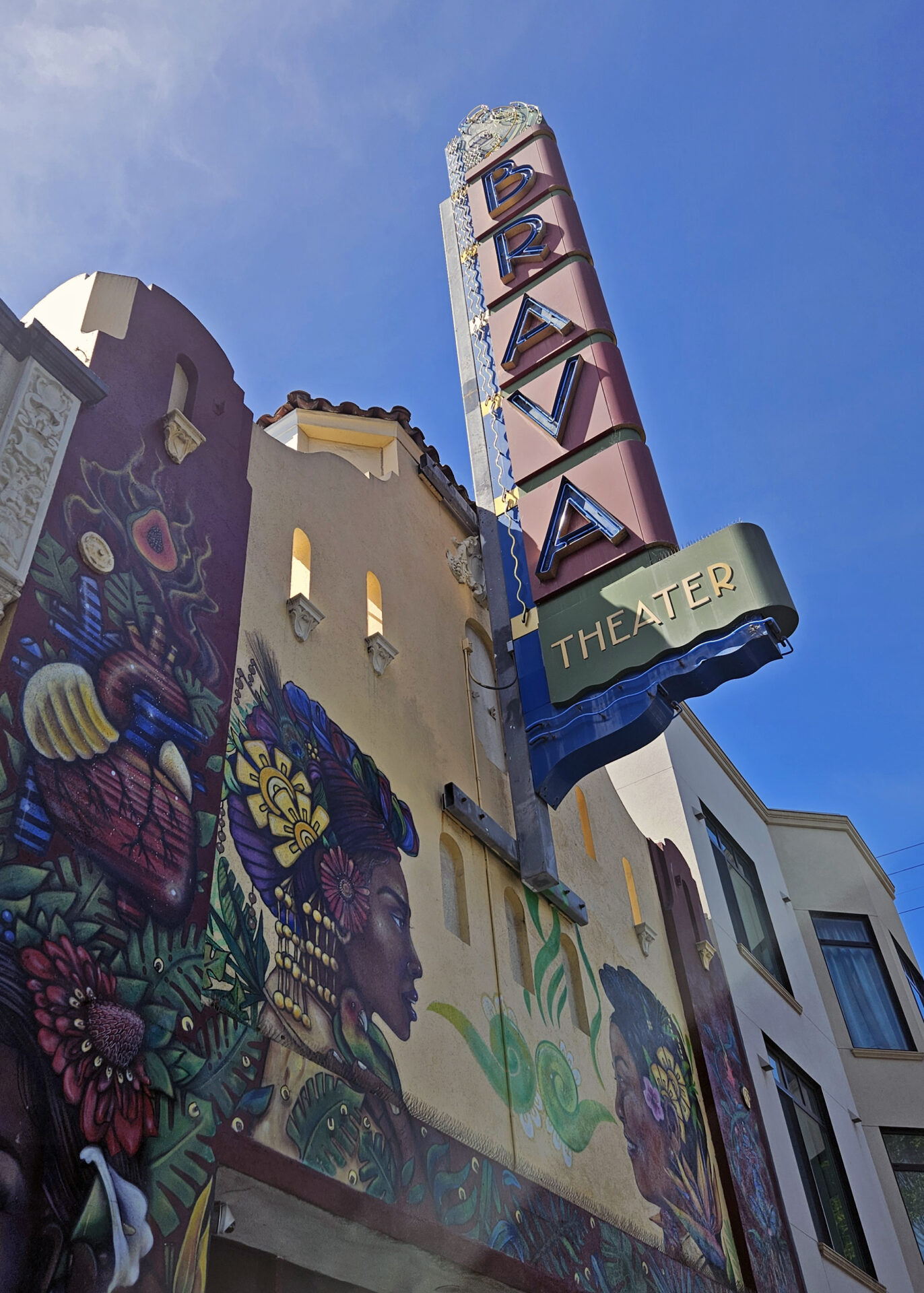
The 10th annual Psychedelic Culture conference upheld its tradition of showing the psychedelic space, as well as the world at large, why it’s a can’t-miss event. Hosted by Chacruna, a distinguished legacy institute for psychedelic plant medicines and indigenous/cultural advocacy, the event took place in the Mission District of San Francisco April 17-19th culminating on Bicycle Day and Indigenous Peoples’ Day in Brazil. PC26 was held at the historic Brava Theater for Women and featured three days of culture, education, and conversations ranging from empowering and supportive to righteously passionate. In the opening ceremony, Chacruna founder Bia Labate called for attendees to be willing to sit with the discomfort of the difficult questions that may not have resolutions in the immediate future. She invited everyone to “stay in the tension… between celebration and critique, between what this movement has accomplished and what it still has not done. Between the world we want to build and the world we are actually building.”
Three tracks ran simultaneously over the entire weekend, comprehensively covering interfaith dialogues, reciprocity, community and grassroots initiatives, as well as the global psychedelic landscape. Psychedelic Elders representing the Huni Kuin and Kamayura cultures of the Brazilian Amazon were prominently platformed and celebrated, and the samba and tambores performances were electric for those fortunate enough to attend. Aside from the usual topics surrounding clinical research and cognitive freedom, many of the discussions featured context and insight centering indigenous peoples and the medicines, traditions, and healers that have served their communities for generations. Conversations echoed the idea that while the Westernized approach still has much to learn from these cultures, the medicines and their integration into healing practices don’t need to be folded into a clinical model to be effective. What they do need, however, is decolonized community and support – and that’s exactly what events like this bring about. Many featured panels focused on women in psychedelics, ranging from entheogens and motherhood to honoring the maestras and curanderas that have bravely and selflessly chosen to pursue a healer’s path despite traditional or cultural expectations.
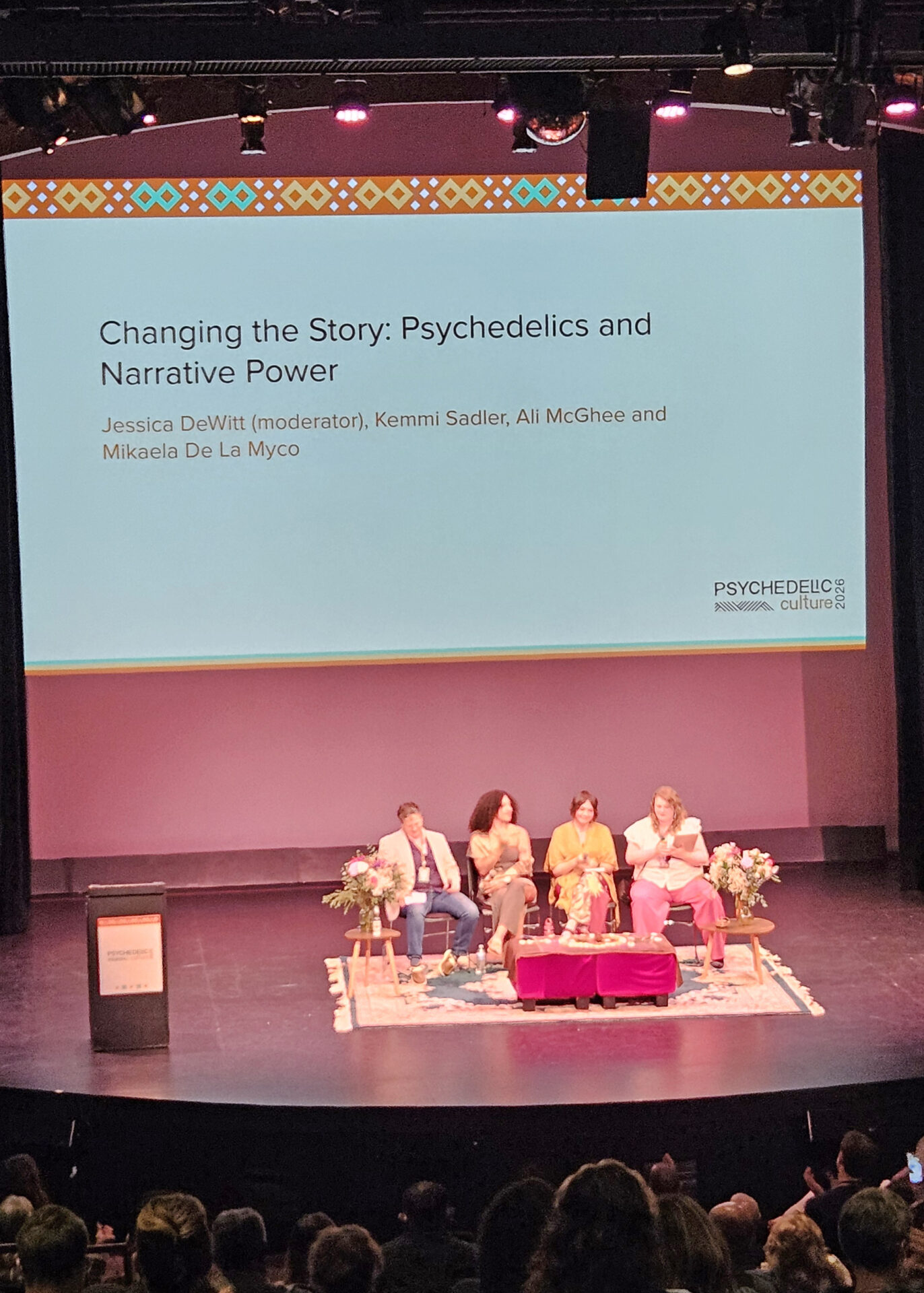
There were many powerful testimonies given about changing the narrative of power in psychedelics for women as well as queer and BIPOC communities, specifically in regard to the path ahead and building healing frameworks in the US the correct way- one which not only honors the people and cultures that have been stewards of these medicines throughout history, but also addresses the incalculable damage done to marginalized communities and aims for a more equitable approach to ownership and access. Grassroots initiatives like Oakland Hyphae (led by Reggie Harris) and mushWOMB (led by Mikaela de la Myco) remain prime examples of reclamation of power and enactment of change by those directly harmed by an unjust drug war in an already racist, classist, and misogynist society.
On the subject of veteran healing, the conversations often focused on how collectively we can do so much more. There was a consensus that these transformational tools would be better served healing the generational traumas that send people to war in the first place than to help someone who has already seen and/or committed horrible acts of violence and destruction. This also raises a further moral concern for “healing” soldiers just to send them back out there and do it all over again. Notably, during the closing remarks, two protestors spoke out against Rick Doblin (Founder, Multidisciplinary Association for Psychedelic Studies) and his involvement with psychedelic work in Gaza (covered extensively here).
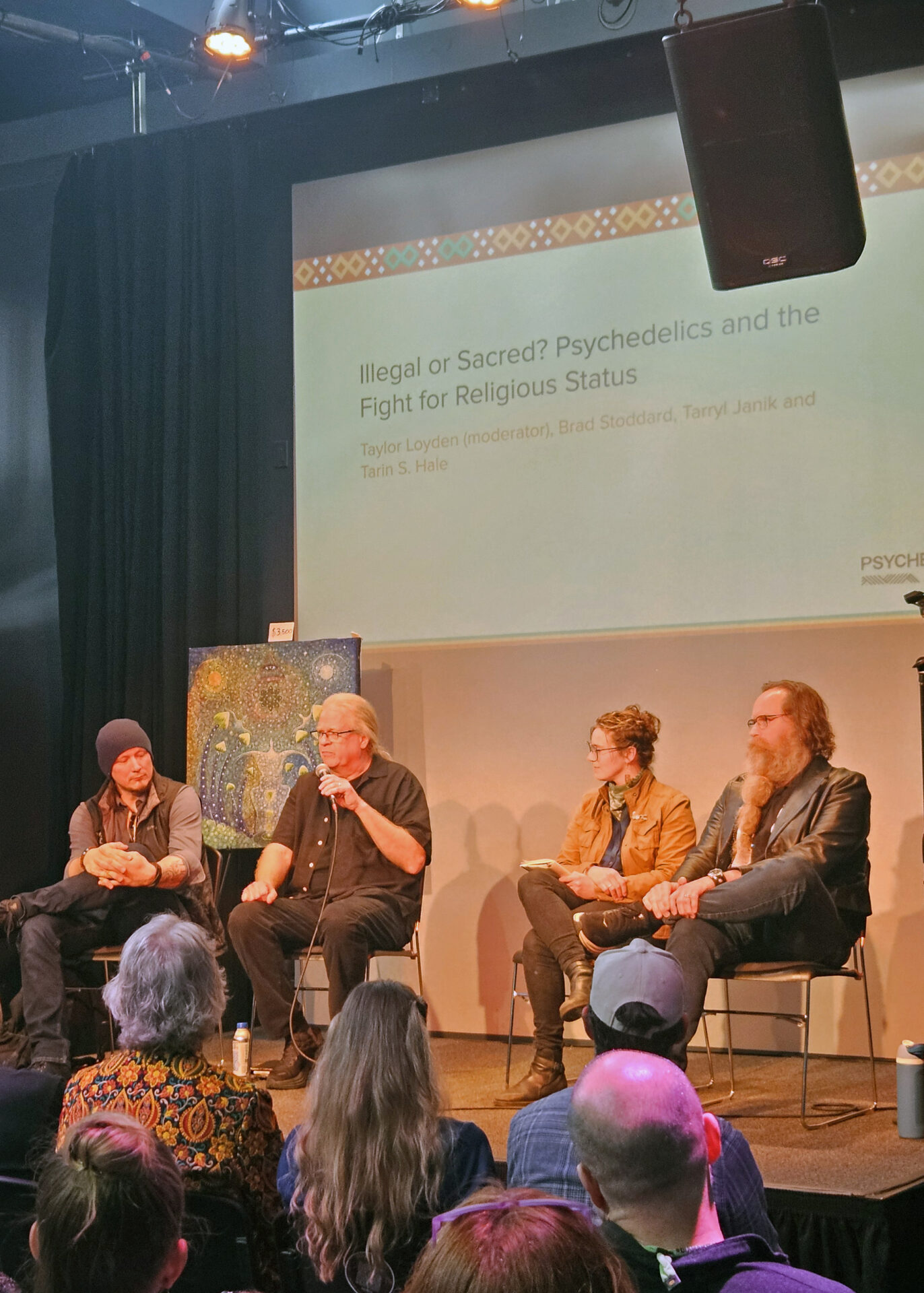
Dave Hodges of Zide Door and The Church of Ambrosia gave a detailed explanation of dosing and potency and stressed that knowing the number of micrograms of psilocybin consumed is a significantly more important metric than weight of dried mushrooms. Comedian Adam Strauss delivered a hilarious and heartfelt set that brought levity as well as poignant perspective that we could all relate to, and it reminded everyone to laugh at ourselves now and again. The presentation on Psychedelic churches and the fight for religious status was particularly intriguing as well, and highlighted the fact that access to healing molecules can be, should be, and is federally protected under Religious Freedom Restoration Act for those that aren’t just looking for an easy loophole into working with psychedelics. Panelist Tarin Hale spoke passionately about his personal experiences and challenges battling the government on their terms, and encouraged anyone with a lawyer who says it can’t be done to find a better lawyer.
With the event ending on Bicycle Day, it’s no surprise that the after party was an absolute rager. Held at El Rio SF, a beloved queer-run neighborhood bar and community space in the heart of the Mission District, the party featured live painting and multiple DJ sets and provided a wonderful atmosphere to both continue important conversations as well as decompress from an intensely educational and inspirational weekend. The intersection of culture and community-level integration remains such a significant part of the internalization and application of the ideas shared and lessons learned at collective events like these.
With ballot initiatives, state measures, and executive orders abound, the future of plant medicine remains unclear, but what is certain is that the future of psychedelics needs to be led by those that have been long excluded. The powers that be are constantly trying to perpetuate the same barriers as always to create a blueprint for a commercialized model that breeds perpetual inequity at a convenient monthly subscription price. Instead, perhaps the better idea would be to take a lesson from the medicine and create our own community systems where access to healing is universal and the appropriate cultures lead the way on how that happens rather than a corporatized state. The psychedelic industry has ancient roots it can propagate, but only by recognizing the millenia-long healing traditions that these stewards have facilitated for generations. If we want the next century to be any different from the last, we have a responsibility to encourage the therapeutic use of these diagnostic tools to remedy a broken society and proliferate understanding, empathy, new perspectives, and paradigm shifts that we so desperately need.
Share:


Related News
Live and Awake in LA
Having attended the surprisingly few SoCal events over the past few years, it was such a welcome pleasure to see familiar faces coming together in LA for 3 days of meaningful conversations centered around healing, community, access, learning, and networking at Psychedelic Awakening 2025 hosted by Psychedelic Institute of Los Angeles.
Read More
Psychedelic Science 2025: Set and (Re)Setting
For its fifth installment, Psychedelic Science 2025 returned to Denver, offering three days of big ideas, heartfelt community, and some noticeable shifts in the psychedelic space. After the usual chaos of delayed flights and travel drama on Tuesday, we shared a collective sigh of relief as we finally arrived at the Colorado Convention Center, a mile high and ready to dive in.
Read More
Marijuana Enhances Enjoyment Of Music, New Study Finds, Confirming What Every Stoner Already Knows
Underscoring an anecdotal observation common among cannabis consumers, a group of researchers in Canada have released a new study indicating that marijuana can make music more enjoyable, concluding that “the impact of cannabis on the auditory experience may be overall enhanced” compared to sober listening. Authors, from Toronto Metropolitan University, wrote in a preprint that […]
Read More